
Non-inverting amplifier
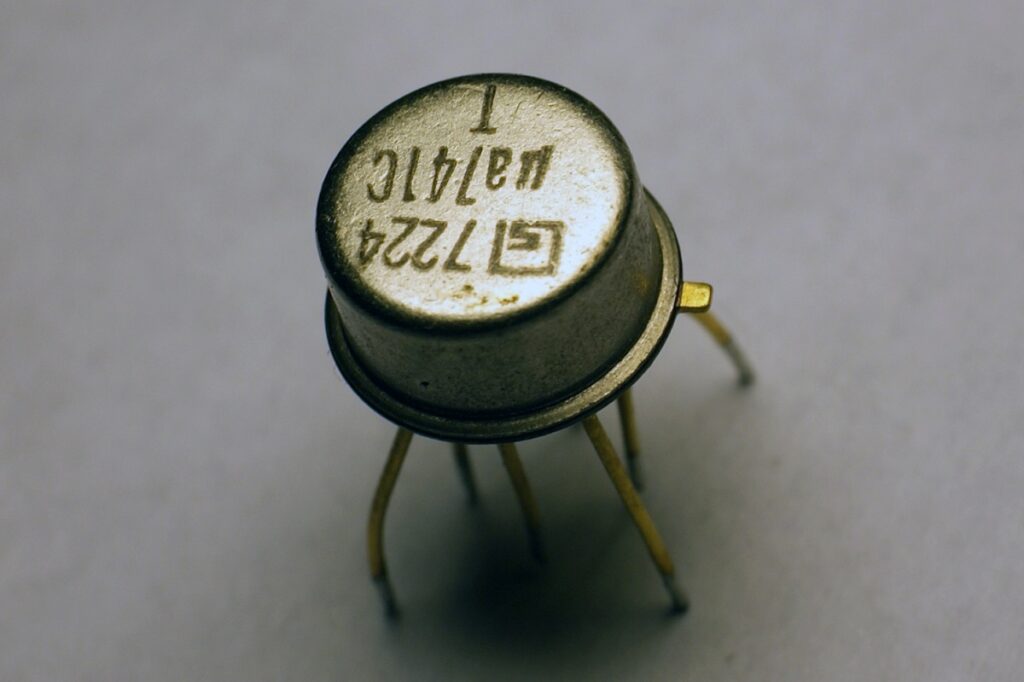
From the different modes of op-amp series, This article we are going to study about the non-inverting amplifier application. From the name we can take out two things totally, one is it amplifies the signal, next is it doesn’t change the phase of the input signal the output of the non-inverting amplifier is same as the phase of the input. Always the input signal to be fed is passed through the non-inverting amplifier circuit through the positive input of operational amplifier. And the output from the op-amp is fed back to the negative input of the operational amplifier through the feedback resistor and the signal is grounded through input resistor. V1 = R2/(R2+R1); The difference between the input voltage or source voltage (Vs) to the feedback voltage (V1) is the differential input to the op-amp(Vs – V1). Actually, this differential input is the actual input fed to the non-inverting amplifier. That is amplified by the open loop voltage gain of the op-amp (G). By using this gain, we get a resulting output voltage as Vout = G(Vs – V1). NON INVERTING AMPLIFIER Vout = output voltage G= Open loop voltage gain of the operational amplifier Vs = Source voltage fed to the non-inverting or positive input V1 = feedback voltage from the output of the op-amp Vout = Vs *(1 + (R1/R2); By setting up different values of Resistor you change the amplification level to any extent possible. From this math, it is clear that Higher values of R1 and lower values of R2, will amplify the signal to the significant level. You could use this to amplify signal and to get the same phase of the signal applied at the input. Hope you now know the use of non-inverting amplifier working using operational amplifier.